QI Spine Clinic was established to address a growing healthcare challenge: the increasing number of patients suffering from acute and chronic back pain for whom surgery was either unnecessary or undesirable. The company sought to build credibility around evidence-based, non-surgical spine rehabilitation while differentiating itself from both conventional physiotherapy clinics and surgical intervention centres.
EuMo was engaged to develop the strategic identity system, healthcare communication framework and patient-facing information ecosystem for the brand. Drawing directly from QI Spine’s scientific diagnostic methodology, EuMo created an integrated healthcare identity system that translated clinical precision, data-driven diagnosis and structured rehabilitation into a distinctive and approachable patient experience.
QI Spine Clinic
Healthcare
Brand Experience
Visual Identity Design
Brand World
Communication Collaterals
The startup’s objective was to establish non-surgical spine rehabilitation as a credible, science-led alternative to surgery by building a healthcare brand rooted in diagnostic precision, clinical expertise and measurable patient outcomes.
As awareness of minimally invasive and preventive healthcare approaches increased, QI Spine’s larger ambition was to shift the conversation from symptom management to evidence-based rehabilitation. They wanted to build trust in a new category of spine care by making complex clinical processes understandable, accessible and reassuring for patients seeking long-term recovery rather than short-term relief.
Rather than beginning with visual identity, EuMo immersed itself in the clinic’s scientific methodology, repeatedly engaging with founders, doctors and clinicians to understand the diagnostic frameworks that differentiated the organisation from conventional spine care providers.
Particular attention was given to the sophisticated diagnostic systems used by the clinic to identify pain sources, movement limitations and rehabilitation pathways. The visual outputs generated by these machines revealed patterns, data points and relationships that ultimately became the inspiration for the brand identity itself.
EuMo recognised that the organisation’s strongest differentiator was the combination of scientific diagnosis, evidence-based rehabilitation and personalised treatment planning.
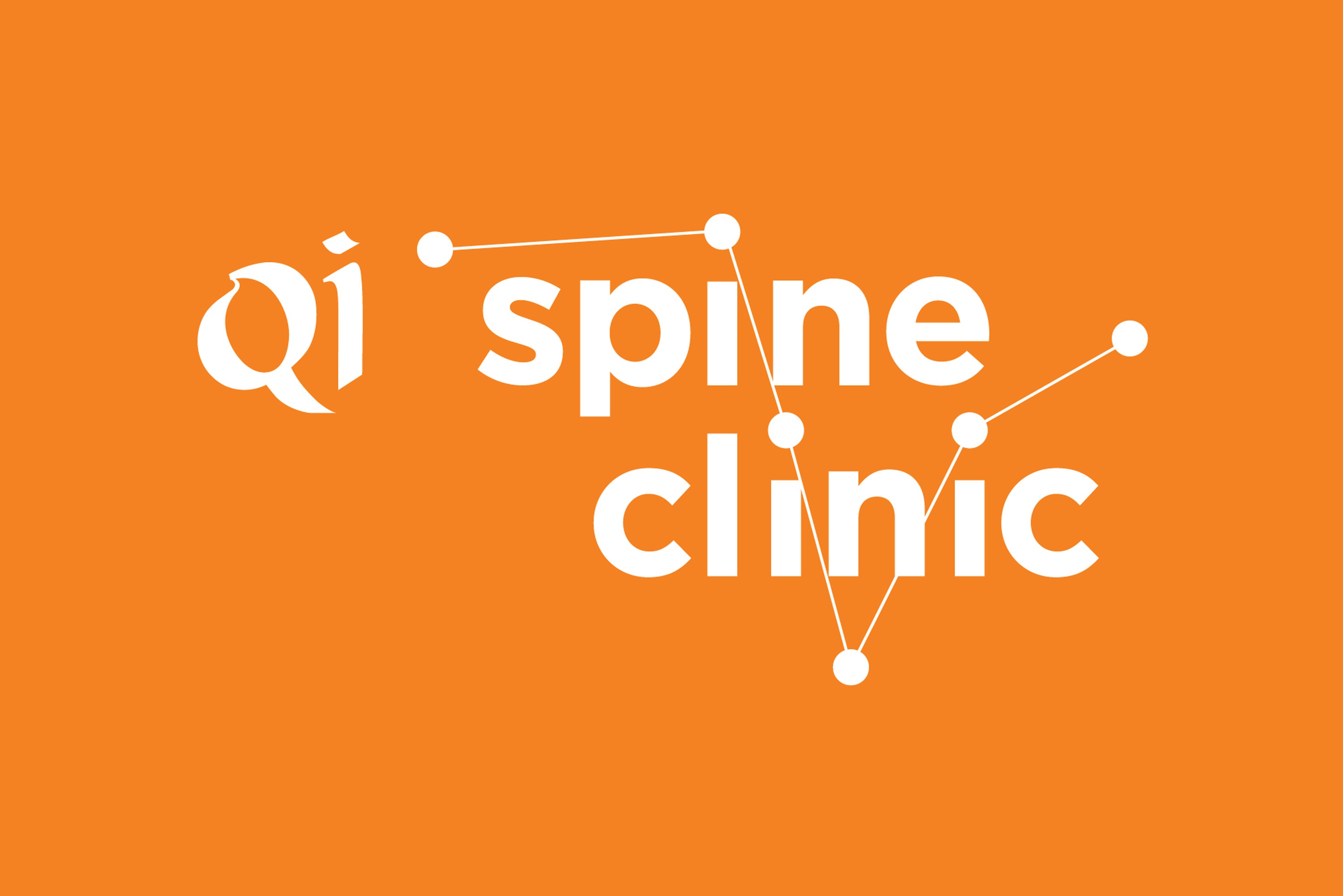
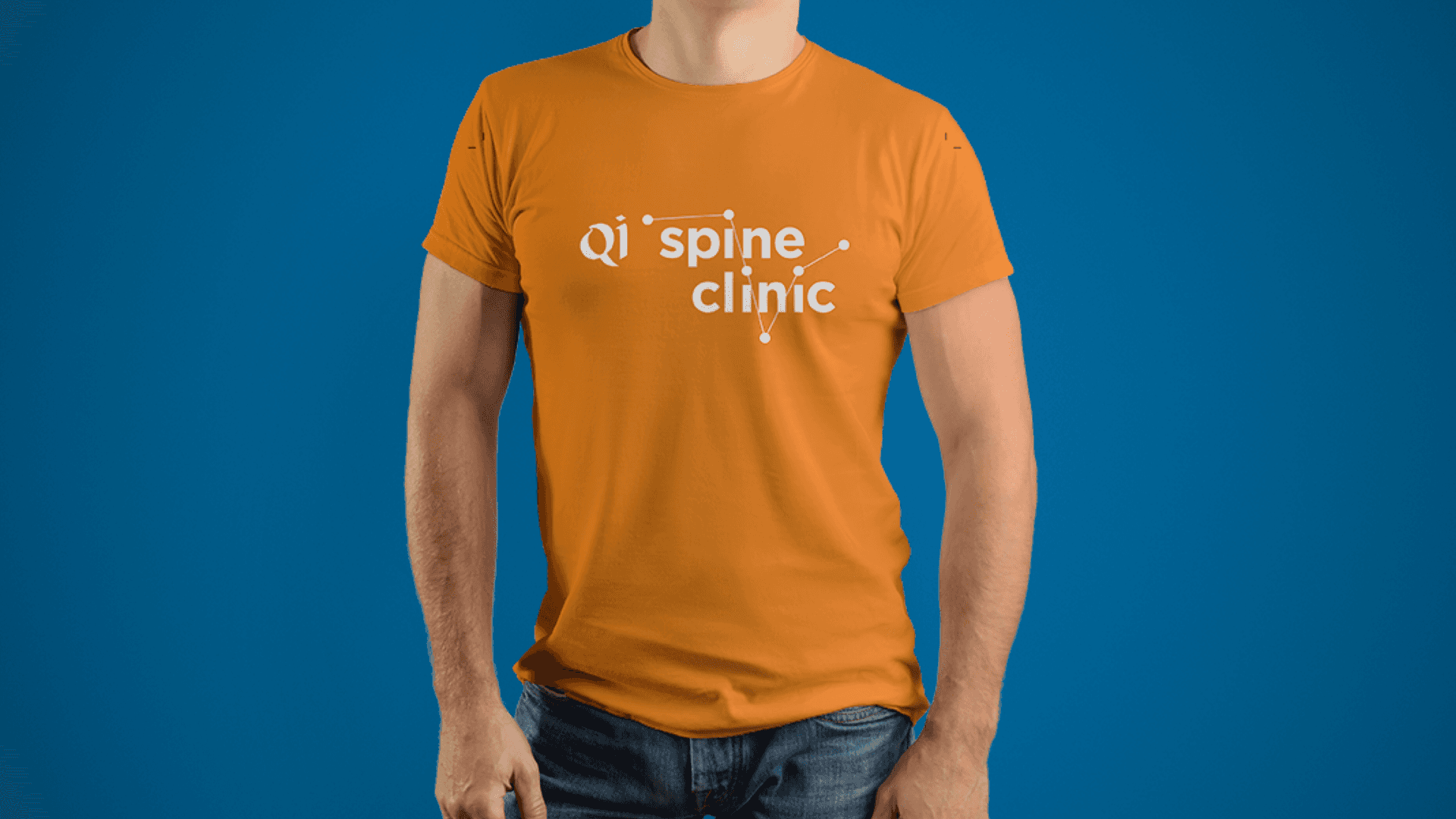
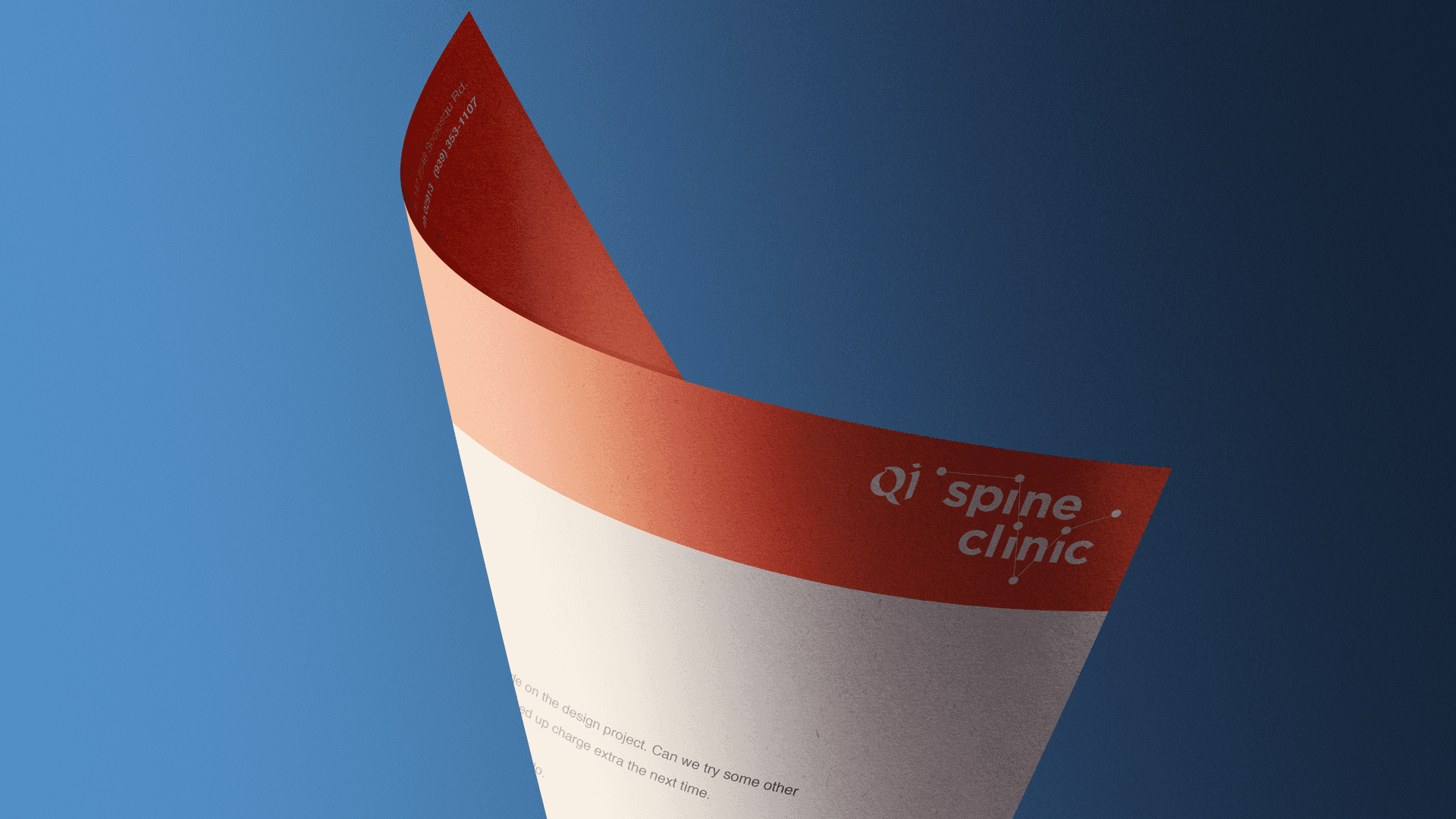
The resulting identity was derived from the visual logic of the clinic’s diagnostic process, creating a distinctive mark that metaphorically connected the data points generated through clinical assessment.
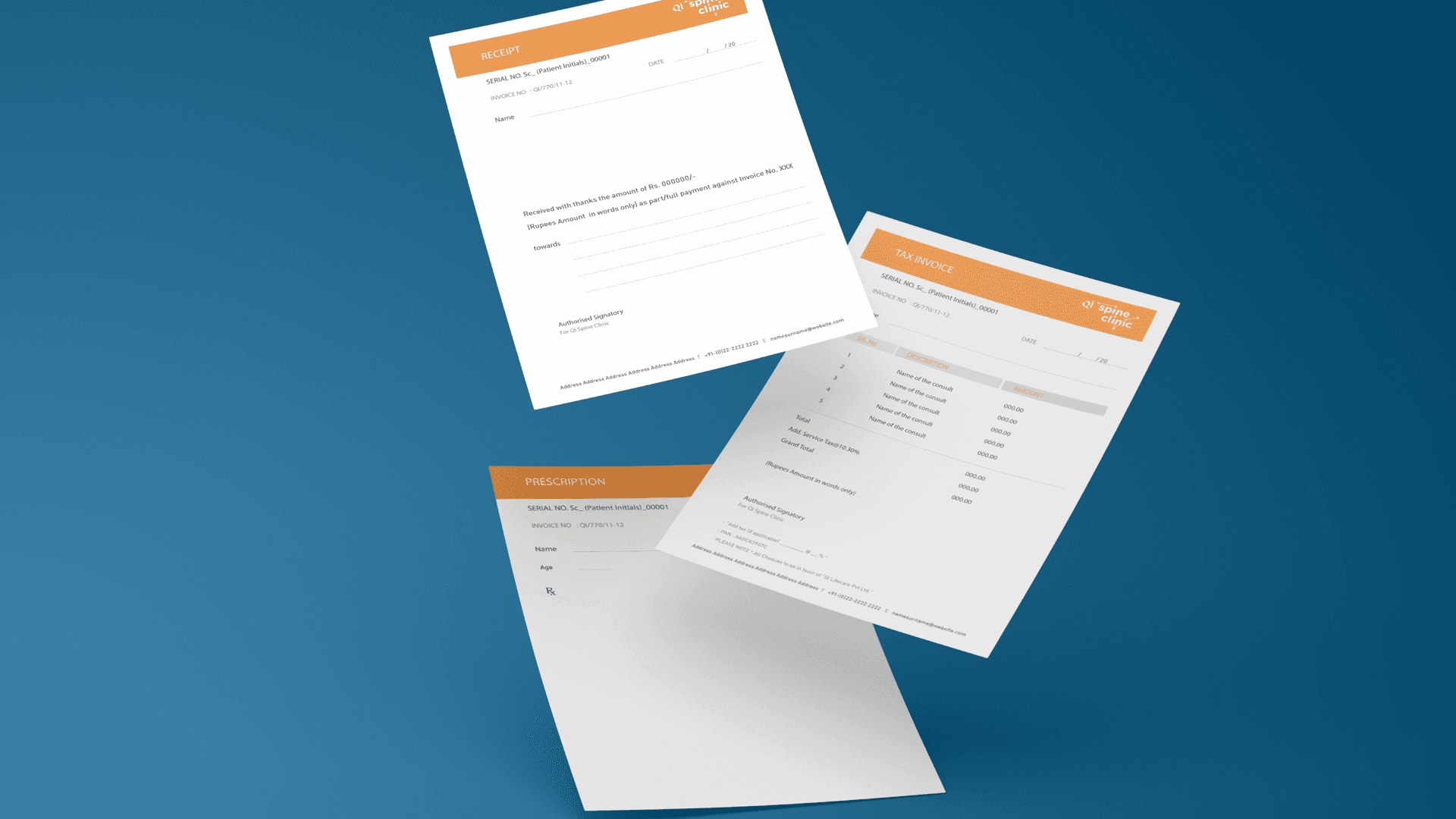
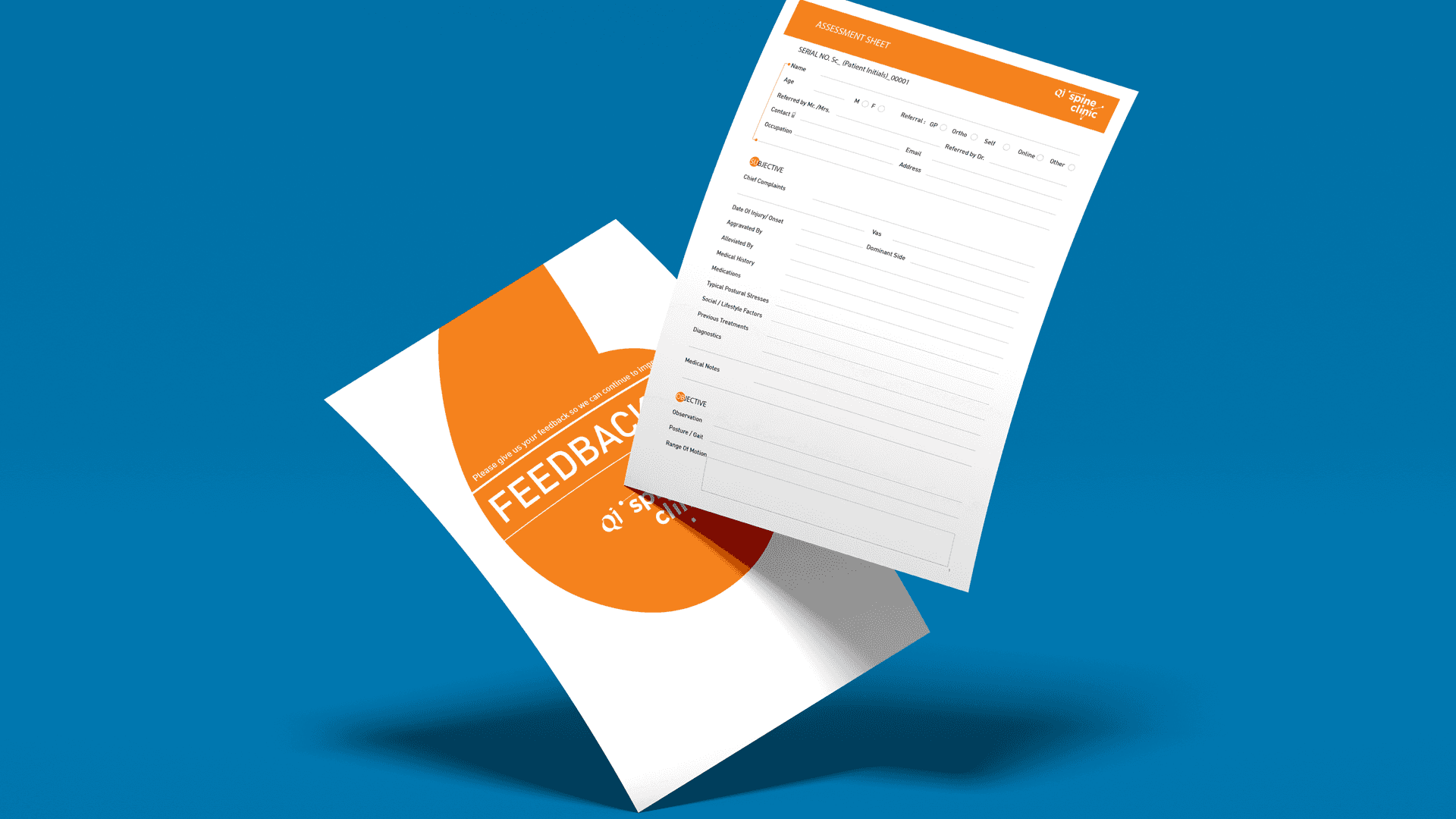
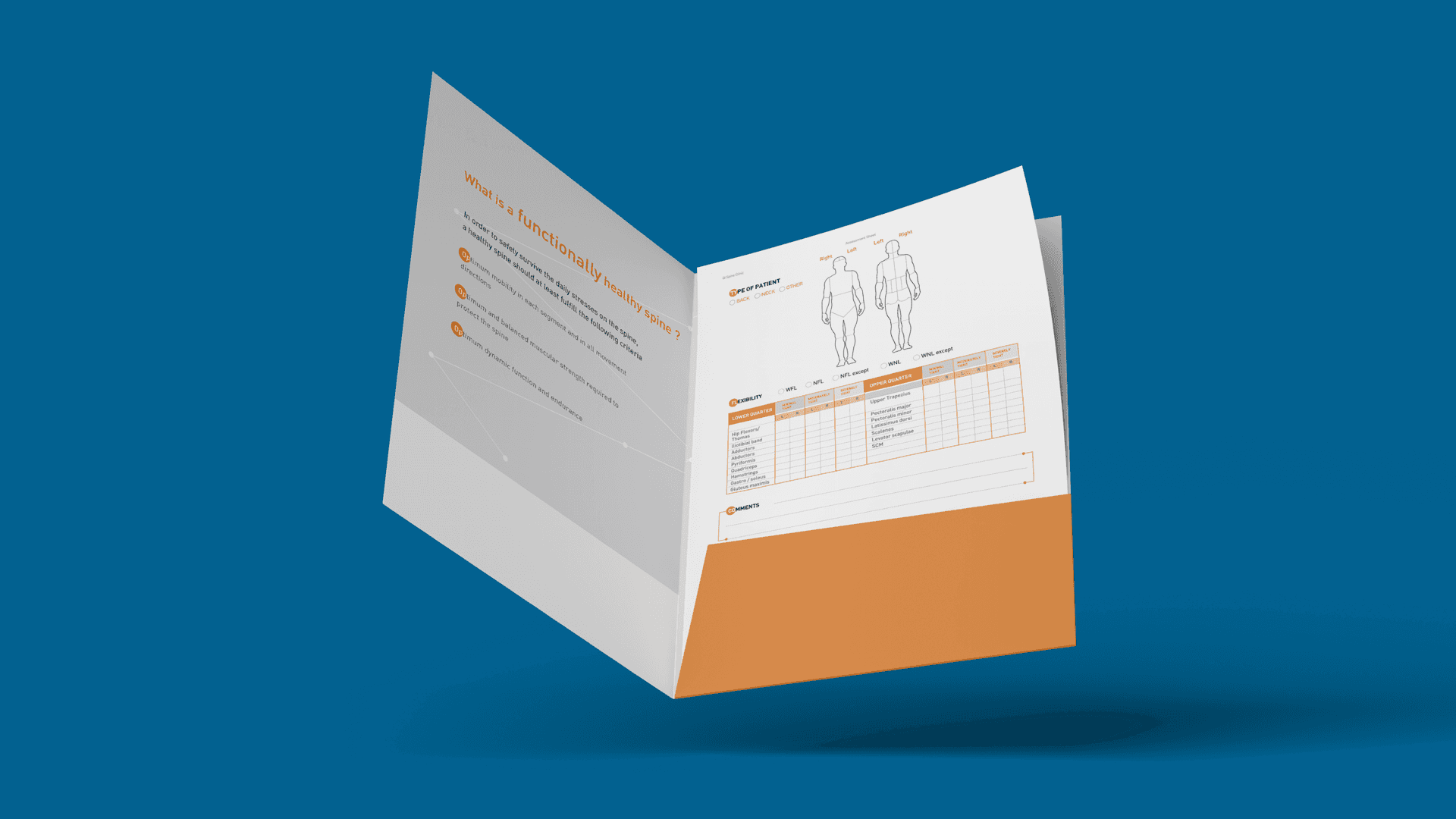
The intervention extended beyond logo design into an integrated healthcare communication system including—
patient communication systems,
clinical information design,
healthcare collateral systems,
patient onboarding &medical documentation formats.
Business and Strategic Impact
A distinctive healthcare category position: The identity helped differentiate QI Spine from both traditional physiotherapy clinics and surgical spine care providers.
Improved patient communication: Forms, information systems and patient touchpoints were designed to support clearer interactions between clinicians and patients.
Strengthened trust in non-surgical rehabilitation: The brand reinforced QI Spine’s position as a credible destination for patients seeking structured, science-led alternatives to surgery.
Why the investment mattered
The QI Spine project demonstrated how strategic healthcare branding can help emerging medical categories gain trust, credibility and patient adoption.
By aligning brand identity with clinical methodology, EuMo transformed scientific processes into meaningful patient experiences, helping communicate expertise without creating complexity or anxiety.
The project remains an example of how design intelligence can help healthcare organisations transform specialised medical expertise into trusted, scalable and patient-centred healthcare brands.