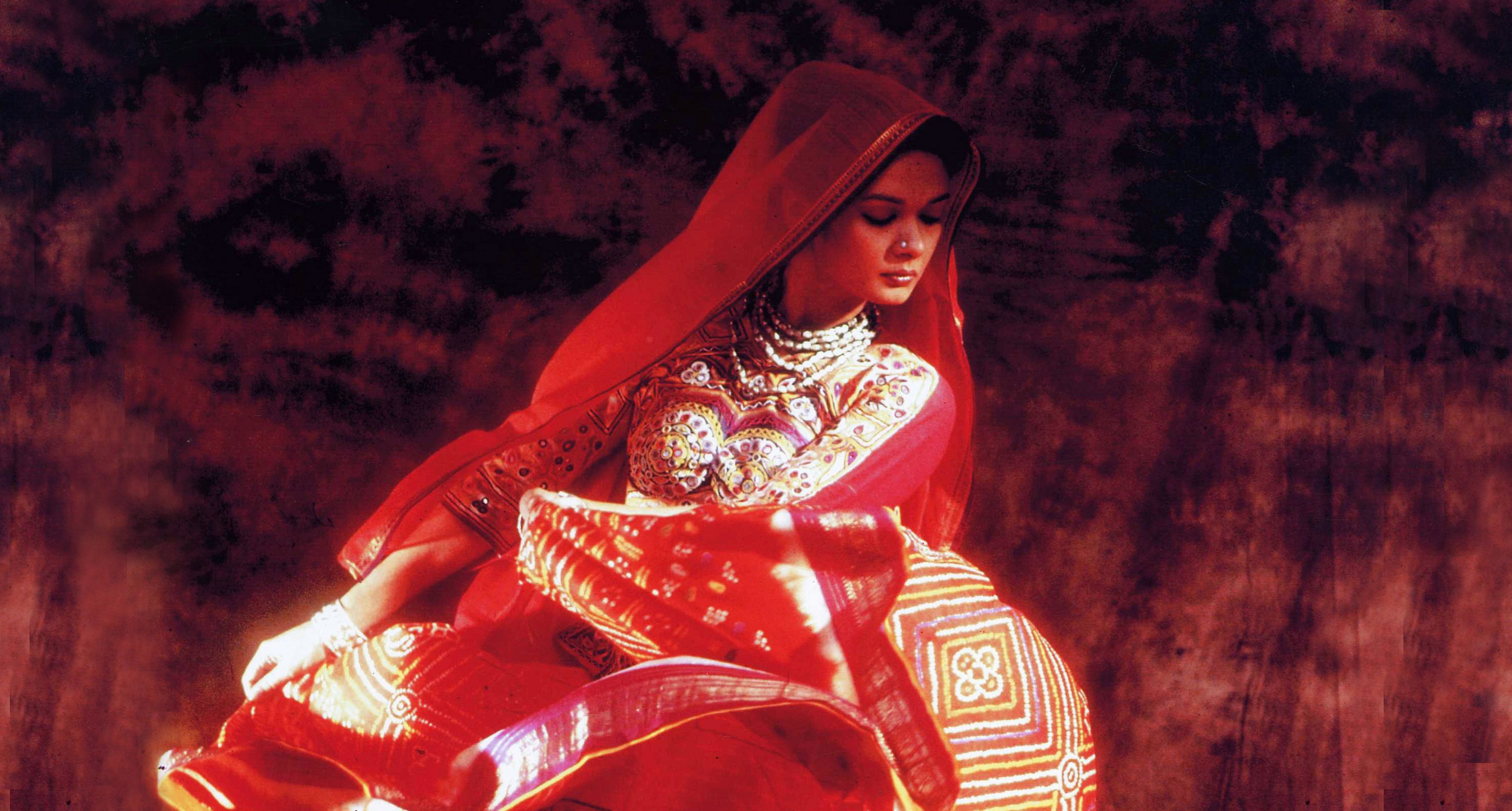
Air India sought to create a travelling cultural museum experience to showcase the diversity of their Indian costume collection, communicating the social, regional and cultural contexts from which they emerged.
We developed the experiential exhibition design and interpretive storytelling system for Paridhanika through display design, custom mannequins, contextual scenography and cultural storytelling, celebrating the diversity of Indian identity, craft and regional culture.
Air India
Art & Culture
Visitor Experience
Visitor Experience Centers
Corporate Briefing Centres
Museums & Exhibit Design
Display Structures
Lighting Strategy & Design
Environment Graphics
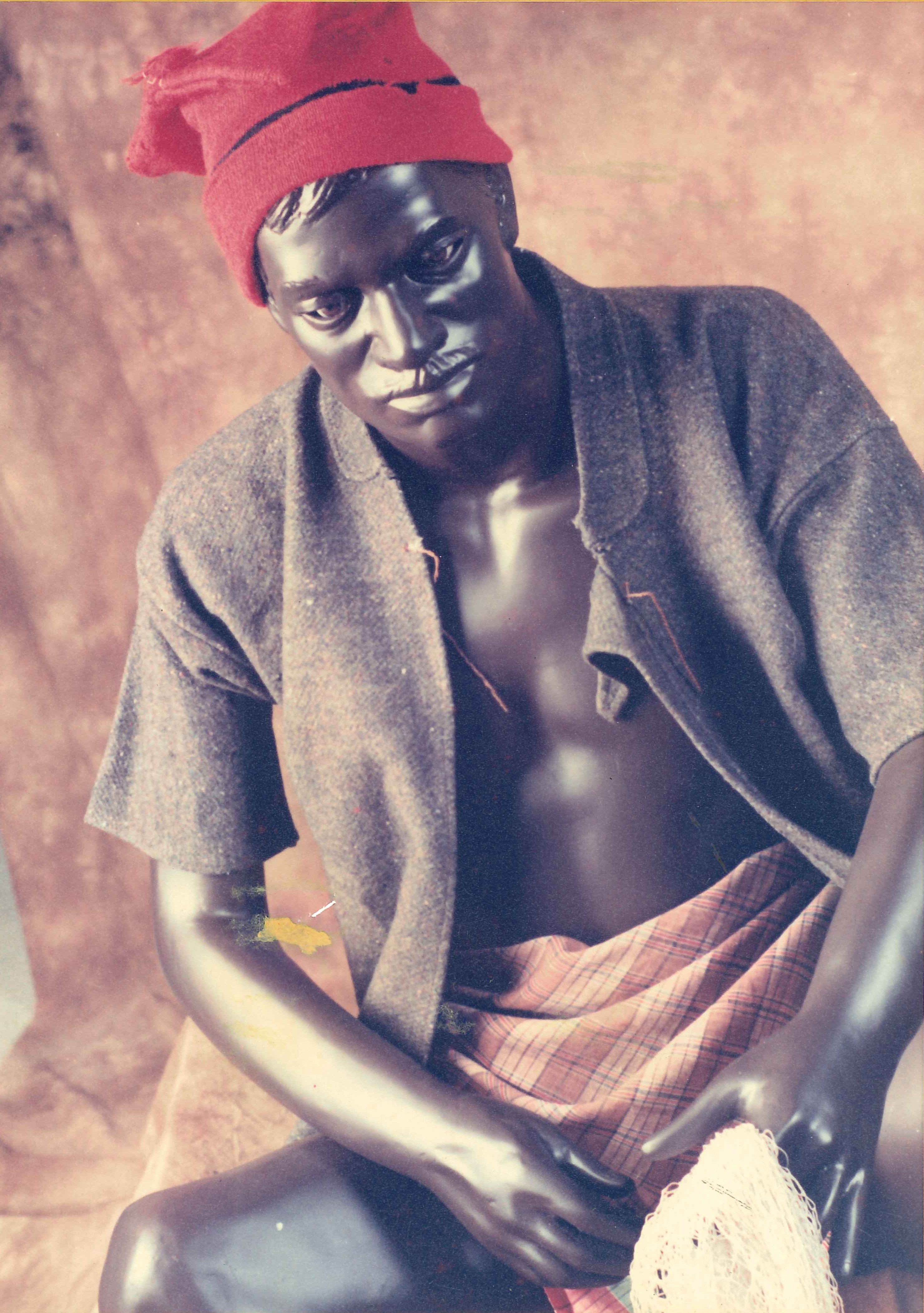
The project aimed to create a museum experience capable of engaging diverse audiences through interpretive storytelling, experiential exhibition design and culturally rooted scenography.
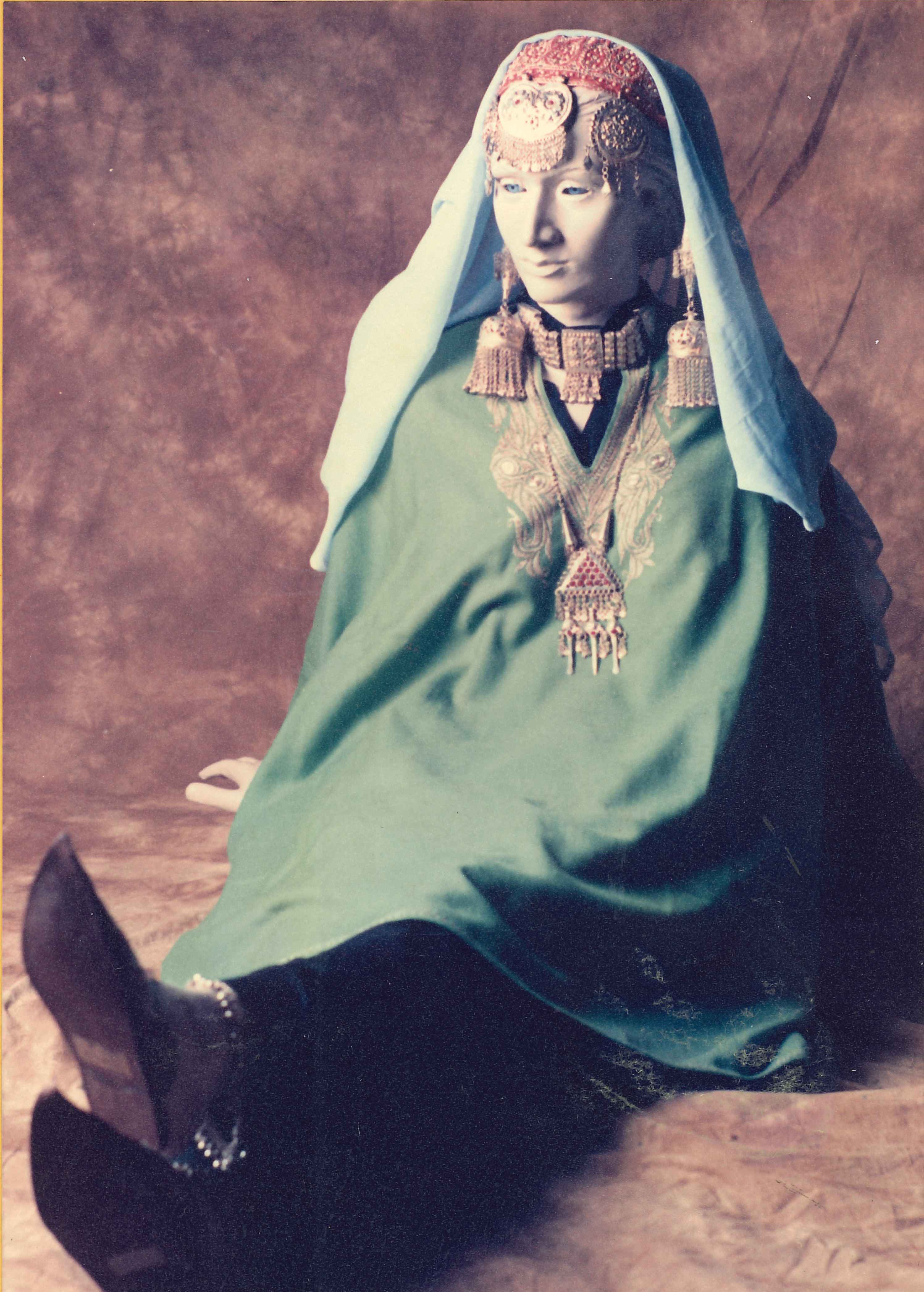
Without context, cultural artefacts risk becoming visual objects rather than lived narratives.
We reframed the exhibition as an exercise in cultural storytelling through spatial interpretation. The objective became to reconstruct the worlds in which they existed.
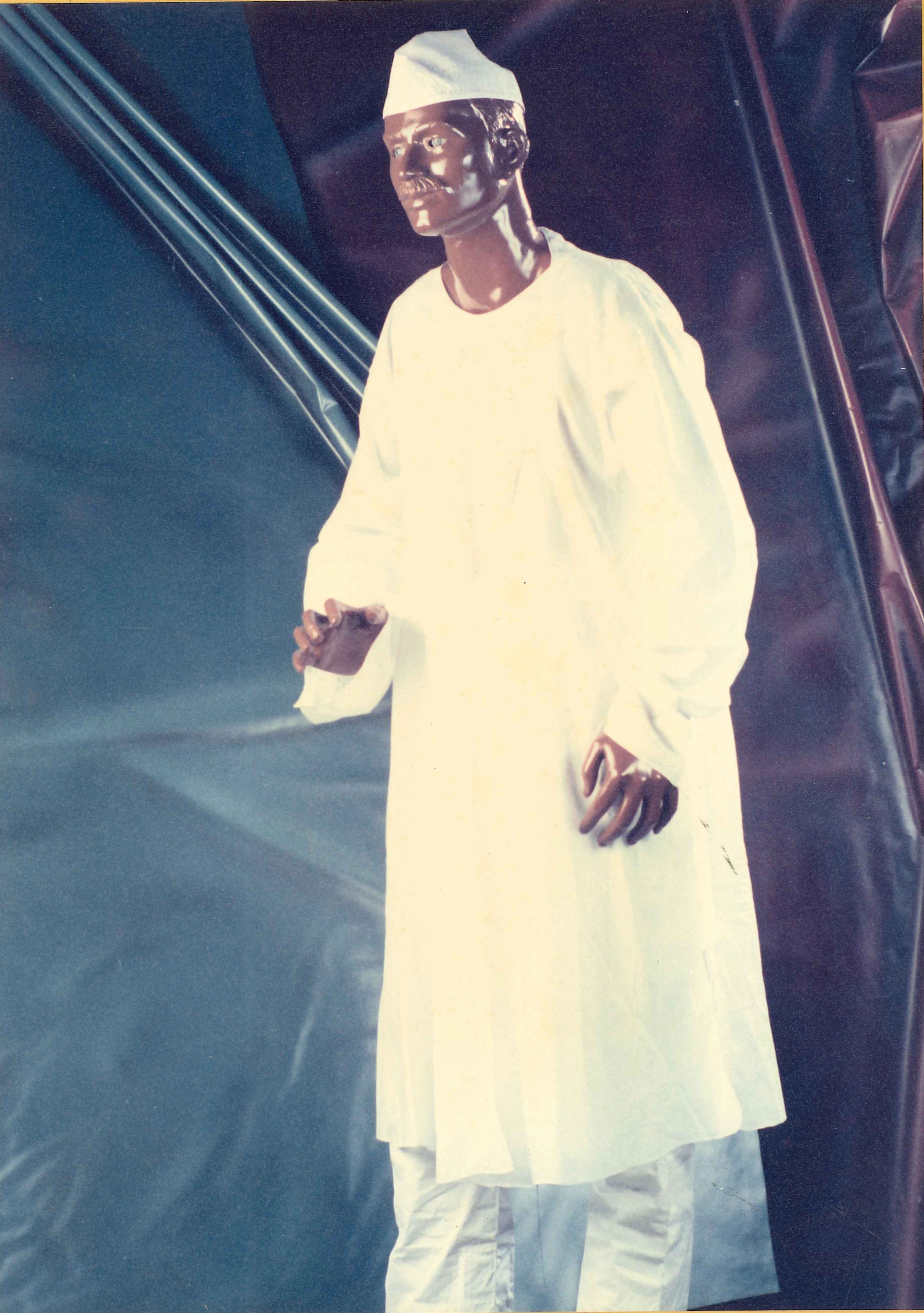
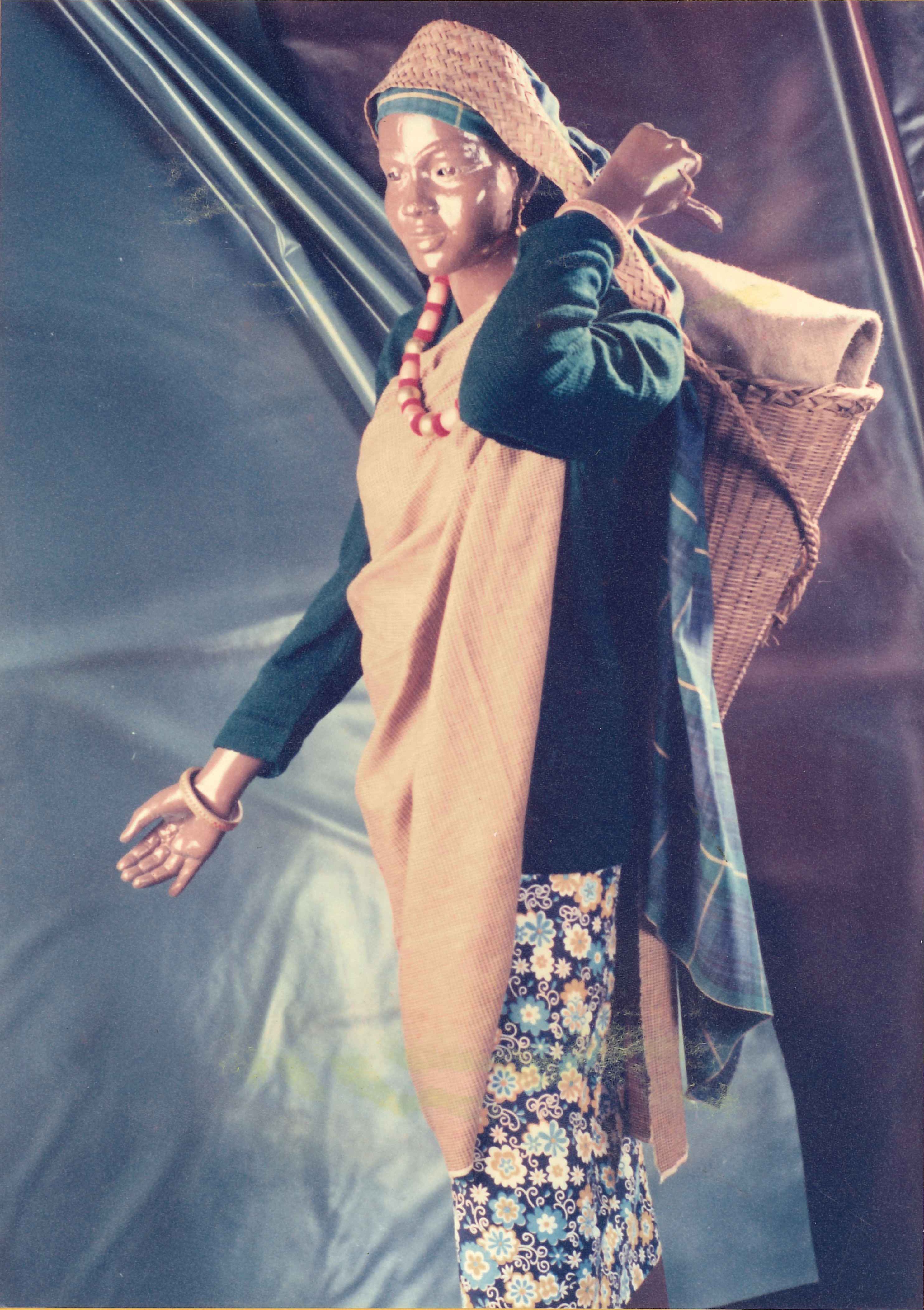
This led to the creation of 65 individually crafted mannequins with distinct regional features, each positioned within contextual scenarios that suggested movement, occupation, celebration or ritual. Some danced, some sat, others appeared mid-action, allowing visitors to experience costumes within believable human narratives.
The exhibition combined museum scenography, interpretive props, regional lifestyles, large-scale installations and immersive visual backdrops to communicate the richness and plurality of Indian cultural life.
Rather than functioning as a conventional costume archive, the museum became an immersive environment where heritage, identity and storytelling intersected through exhibition design.
Cultural Impact
Enhanced cultural engagement: Visitors experienced Indian textile heritage through immersive and contextual storytelling.
Distinct exhibition identity: The museum differentiated itself through human-centred scenography and interpretive display systems.
Broader audience appeal: The exhibition attracted museum enthusiasts, tourists, journalists and academicians.
Stronger heritage communication: Costumes were understood within their social, regional and cultural contexts rather than as isolated artefacts.
Media visibility and recognition: The exhibition received significant attention across print publications and cultural discourse.
Why the investment mattered
The exhibition enabled Air India to extend its brand and position itself as a cultural ambassador for India, strengthening its association with the country’s diversity, heritage and identity. By transforming traditional costume archives into an immersive public experience, the project reinforced the airline’s connection to Indian culture in a manner that was emotionally engaging and internationally relevant.
The travelling museum format also expanded audience reach across geographies, helping Air India build stronger cultural resonance with tourists, global audiences and the Indian diaspora. The project demonstrates how cultural exhibition design and heritage storytelling can help national institutions create meaningful public engagement while reinforcing brand identity through experiences rooted in authenticity and national pride.